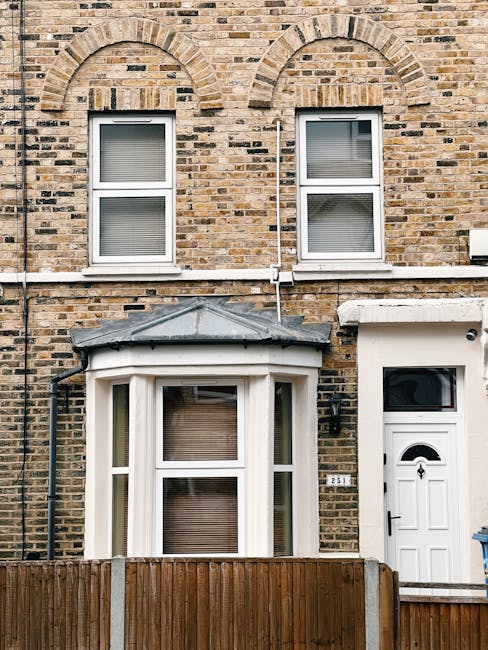
Student House End-of-Tenancy Clearance: Dalston Case Study
End of tenancy week in Dalston has a way of arriving all at once. One minute you are packing coursework, kitchen bits, and the last of the flat-share leftovers; the next, you are staring at a house that somehow looks twice as full as it did last term. That is exactly why a student house end-of-tenancy clearance: Dalston case study is useful. It shows what actually helps when a shared student property needs to be cleared quickly, properly, and without turning the last day into chaos.
This guide breaks down the process in a practical way: what end-of-tenancy clearance means, why it matters in a busy area like Dalston, how the work usually runs, and where people trip up. You will also get a clear checklist, a comparison of clearance options, and a realistic example based on the sort of student move-out that happens every summer. Nothing fluffy. Just the stuff that helps you hand back the keys with a bit less stress.
Why Student house end-of-tenancy clearance: Dalston case study Matters
End-of-tenancy clearance is not just about making a property look neat. In a student house, it is often the difference between a smooth handover and a messy dispute over cleanliness, rubbish, and damage. In Dalston, where properties are often compact, shared, and packed with mismatched furniture, the final clear-out can become a bigger job than anyone expected.
Let's be honest: student houses tend to accumulate life in layers. Old chairs from a previous tenant, broken kitchenware, a few bags of clothes nobody claims, cardboard stacks, bedding, and the odd item that has been "temporarily" stored in the hallway for three months. By the time move-out comes around, it is rarely just a tidy-up.
Why does that matter so much? Because landlords, letting agents, and managing agents usually want the property returned in a condition that is ready for inspection, cleaning, or the next tenancy. If bulky waste is left behind, or if rubbish is simply shoved into black bags and abandoned outside, the result can be extra charges, delays, and avoidable friction. In a busy London postcode, that can be especially irritating because access, parking, and collection timing are rarely generous.
A proper clearance also protects everyone else involved. One tenant does not want to be left dealing with the whole job. The landlord does not want a property sitting half-cleared for days. And the team doing the lift-and-load work needs safe access, clear instructions, and realistic expectations. Simple enough in theory. A little less simple at 6 p.m. on a wet Thursday, with a corridor full of unwanted furniture and one person still trying to find their headphones.
That is why this subject is worth taking seriously. A well-managed student clearance is not glamorous, but it is one of those practical tasks that quietly saves time, reduces stress, and keeps the handover moving.
How Student house end-of-tenancy clearance: Dalston case study Works
At its core, end-of-tenancy clearance is the organised removal of items left in a rented property at the end of a tenancy. In a student house, that can include general rubbish, broken furniture, old appliances, unwanted clothing, books, kitchenware, and sometimes loft or garage clutter if the property has them. The work usually happens in a short window, which means planning matters more than people think.
In a Dalston setting, the process often starts with a walkthrough. Someone checks what needs to go, what stays, and what needs special handling. This is useful because "clear the house" can mean very different things to different flatmates. To be fair, one person's junk is another person's "maybe useful later," and that is where delays begin.
Once the items are identified, the clearance team or household sorts them into rough categories:
- general rubbish and bagged waste
- bulky items such as beds, wardrobes, sofas, and desks
- recyclable materials like cardboard and some metal items
- reusable items that may be donated or passed on
- problem waste that needs careful disposal
From there, the team removes the items safely, loads them efficiently, and leaves the space ready for final cleaning. In good jobs, the order is almost surgical: clear access first, then bulky waste, then smaller bags, then a last sweep for missed bits under beds, behind radiators, and in cupboards. It sounds obvious, yet people still miss the sock mountain behind the wardrobe. Happens all the time.
For students, the practical challenge is usually time. End-of-lease dates bunch up with exams, moving vans, rail travel, and job starts. So the best clearance process is one that is quick, coordinated, and flexible enough to fit a narrow window. If the property is on a tight Dalston street or in a terrace with awkward access, the plan needs to be even more careful. One bad parking decision and the whole thing slows down.
Key Benefits and Practical Advantages
A good clearance brings more than just a clean room. It reduces stress, saves time, and makes the last stage of a tenancy feel manageable instead of chaotic. That may sound like a small thing, but anyone who has moved out of a student house knows the emotional value of getting one task off the board.
Here are the main benefits in plain English:
- Faster handover: the property can be made ready for cleaning, inspection, or re-let more quickly.
- Less strain on tenants: no one has to carry the whole job alone, especially with bulky items.
- Better use of time: students can focus on travel, exams, jobs, or moving into the next place.
- Lower risk of leave-behind charges: a properly cleared house is less likely to attract extra deductions for rubbish removal.
- Safer handling: heavy or awkward items are removed in a more controlled way.
- Cleaner final impression: a tidy property makes the last inspection less stressful.
There is also a less obvious benefit: a clear space is easier to clean well. If the old furniture and boxes are gone, the skirting boards, corners, and floors are easier to reach. That matters when a final clean has to meet a fairly high standard. No one wants to spend an hour mopping only to find an old mattress blocking a whole wall.
Another advantage is planning. Once the clearance is organised, you can see the property properly. Sometimes people realise they have left a bag of recycling in a cupboard, or that a broken chair leg has been hidden behind the sofa. Better to spot that before the keys are handed back. Much better.
Who This Is For and When It Makes Sense
This kind of service or process is most useful for student households, shared flats, and rented homes that need clearing at the end of a tenancy. It is especially relevant where several people are leaving at once and nobody wants to become the unofficial project manager. We all know that person, by the way. The one who starts creating spreadsheets when everyone else is still looking for a charger.
It makes sense if any of the following apply:
- the property has bulky furniture that cannot be moved easily
- the household has accumulated a lot of rubbish or mixed waste
- the end date is tight and there is very little spare time
- the flat is on an upper floor or has difficult access
- the landlord expects the house to be emptied before final cleaning
- some items may need recycling or careful disposal rather than just binning
It is also helpful if the tenancy is ending after a long student year, because long tenancies collect more clutter than people realise. Shared kitchens, spare chairs, old shelving, and random item drift all build up quietly. Then one day you look around and think, how did we get three extra toasters?
For landlords and agents, student clearance is useful because student properties often turn over quickly. For tenants, it is useful because the last week is usually already overloaded. For housemates splitting costs, it can help keep things fair and documented. And if you are dealing with a tight Dalston street, a small stairwell, or limited loading time, a planned clearance can save a lot of faff.
Step-by-Step Guidance
A practical move-out clearance does not need to be dramatic. It just needs structure. Here is a sensible way to handle it.
- Start with a room-by-room sort. Go through bedrooms, kitchen, living room, hallway, loft, and any storage areas. Decide what stays, what goes, and what needs recycling.
- Separate bulky items early. Beds, desks, wardrobes, sofas, and broken furniture should be identified first because they affect access and loading.
- Bag general waste properly. Use strong bags and keep the waste types separate where possible. Mixed rubbish is slower to process and harder to manage cleanly.
- Flatten cardboard and packaging. This saves space and makes the job much more efficient, especially in a narrow house.
- Check cupboards, under beds, and behind doors. These spots catch keys, chargers, documents, and the odd half-empty cleaning spray.
- Plan for access. Make sure hallways, stairs, and front door routes are clear before moving heavy items. If parking is needed, sort that out early.
- Do a final sweep after removal. Once the clutter is gone, inspect the space again. There is always one more thing. Always.
If the property is large or the amount of waste is substantial, it helps to work from the hardest area first. That way the awkward items are dealt with while energy is still high. Leaving the giant wardrobe until the end is a classic mistake. It feels harmless at the time, then suddenly it is 9 p.m. and everyone is hungry.
Good communication matters too. If housemates are sharing the work, agree in advance who is handling which room, who is booking the clearance, and who is checking with the landlord or agent. A five-minute message thread early on can save an hour of arguing later. Maybe two hours, if the group chat is lively.
Expert Tips for Better Results
After enough move-outs, a few patterns become obvious. The best student clearances are not the ones that start with panic. They are the ones that start with a simple plan and a realistic sense of what can be done in the time available.
Here are the tips that consistently help:
- Book early if timing is tight. Dalston move-outs can stack up around the same dates, and access windows disappear quickly.
- Photograph the property before and after. This is useful for your own record, especially if there is any dispute about what was left behind.
- Keep pass-through routes clear. Stairs, landings, and narrow hallways slow everything down if they are full of boxes.
- Label anything that stays. A simple sticky note or marker on items not to be removed avoids confusion.
- Use sorting piles rather than random stacking. It sounds basic, but it keeps the job calmer and faster.
- Be honest about heavy items. If something is too awkward to move safely, treat it as such. No prize for heroics.
A small but useful observation: end-of-tenancy work always feels easier in daylight. Even a slightly overcast London morning gives you better visibility, fewer missed items, and less chance of stepping over something important without noticing. Evening work can still be fine, but daylight has a way of making the job feel more controlled.
Another tip that gets overlooked: leave a little buffer before final inspection. Even one hour can make a difference if you need to do a second sweep, wipe surfaces, or deal with an unexpected item in the back of a cupboard. There is comfort in having a bit of breathing room. Honestly, it helps more than people think.
Common Mistakes to Avoid
End-of-tenancy clearances go wrong in very predictable ways. None of these are dramatic on their own, but together they create stress and extra cost. Here is what to watch out for.
- Leaving the whole job until the final day. This is the big one. Last-minute clearances are slower, messier, and more expensive in every sense.
- Assuming someone else will sort it. In a shared house, that assumption is dangerous. Usually wrong too.
- Mixing rubbish with recyclable material. It makes sorting harder and can leave the job looking untidy.
- Forgetting access issues. A van can only help if it can stop nearby and the route into the property is workable.
- Ignoring small items. Loose cutlery, broken glass, batteries, and random bits can be easy to miss.
- Not confirming what the landlord expects. Some properties need a full empty clear-out; others require certain fixtures or white goods to remain.
One more mistake, slightly boring but important: not checking the condition of shared spaces. Hallways, front steps, and entrance areas matter, especially in terraced housing. If rubbish spills out of the property while clearing, the job is not really finished. It just looks half-done from the pavement.
And yes, the "we'll do it tomorrow" plan nearly always turns into a longer tomorrow than expected.
Tools, Resources and Recommendations
You do not need fancy equipment to handle a student house clearance, but you do need the right basics. The aim is to keep the work safe, tidy, and efficient without overcomplicating it.
Helpful tools and supplies include:
- strong refuse sacks
- gloves with a decent grip
- tape, marker pens, and labels
- box cutters or scissors for cardboard
- dustpan and brush
- basic cleaning cloths for final wipe-downs
- protective footwear if lifting bulky or awkward items
For larger clearances, it is often worth considering whether the job would be easier as a combined package rather than a piecemeal effort. For example, if the property also needs a general house clearance style approach, or if a smaller space is involved, flat clearance may be the more suitable format. That depends on layout, access, and how much is being removed.
If the unwanted items include damaged furniture, a focused furniture clearance or furniture disposal approach may be the cleanest route. For general mixed waste, a broader waste removal service can be more practical. The right option depends on what is actually there, not on what sounds simplest in the moment.
For readers who want to understand the company's broader approach to sustainability and handling, the pages on recycling and sustainability, health and safety policy, and insurance and safety are useful background. They help explain how responsible clearance work should be handled in practice.
Law, Compliance, Standards, or Best Practice
End-of-tenancy clearance in the UK is shaped by practical responsibilities rather than by one single rulebook. The most sensible approach is to follow accepted waste-handling and property-handover best practice, and to be careful with anything that could create risk or a dispute.
In plain terms, that means:
- do not leave waste on the pavement unless collection has been arranged and allowed
- separate recyclable items where practical
- avoid unsafe lifting and unsafe stacking
- do not remove or dispose of items that belong to the landlord unless you have permission
- handle electrical items, sharps, batteries, and any suspect materials with extra care
In Dalston, local waste and fly-tipping concerns are worth taking seriously. If rubbish is abandoned outside the property or left in a communal area, it can create problems quickly. The wording of tenancy agreements also matters. Some agreements require the property to be returned completely clear; others specify what should remain. That is why it is smart to check the tenancy terms before moving anything big.
Best practice also means using insured, responsible clearance methods. That is not just a box-ticking exercise. If something gets damaged in a stairwell, or if there is an accident during lifting, insurance and health-and-safety procedures can make a real difference. The same goes for documenting the condition of the property before and after the clearance. It is a simple habit, but a good one.
If you are unsure whether certain waste can go with standard household rubbish, pause and check. Better to ask once than to sort a problem later. Truth be told, a calm five-minute check beats a messy guess every time.
Options, Methods, or Comparison Table
Students usually have three realistic ways to manage end-of-tenancy clearance: do it all themselves, split the job with housemates, or book a professional clearance. Each option has trade-offs. Here is a simple comparison.
| Method | Best for | Strengths | Weak points |
|---|---|---|---|
| DIY clearance | Small amounts of waste, low budgets, plenty of time | Low direct cost, full control, easy to stage over several days | Time-consuming, physically demanding, easy to underestimate |
| Split between housemates | Shared student houses with clear teamwork and decent organisation | Spreads the workload, keeps costs manageable | Can get messy if people leave early or do not pull their weight |
| Professional clearance | Bulky items, tight deadlines, awkward access, or a lot of mixed waste | Fast, coordinated, less lifting for tenants, usually the least stressful | Costs more than doing it yourself |
For many Dalston student houses, the practical answer is a hybrid. Housemates sort personal belongings and smaller bags first, then a clearance team handles the bulky and leftover waste. That keeps the job efficient without making the household do all the heavy lifting. It also reduces the chance of that awkward end-of-year stand-off where no one wants to touch the broken bookshelf.
Case Study or Real-World Example
Here is a realistic Dalston example. Not a glossy one, just a proper move-out scenario.
A three-bedroom student house near Dalston had reached the end of tenancy after a year of shared living. The house had the usual mix: a broken chair in the living room, a spare desk in one bedroom, cardboard from deliveries, bags of general rubbish, and a few kitchen items no one wanted to claim. One tenant was leaving early, another was revising, and the third was trying to pack for a move across London. So, naturally, the house was in that strange in-between state where nothing is packed and everything is half-finished.
The group started by walking room to room and sorting the property into keep, remove, and recycle piles. They cleared the hallway first so nothing blocked the exit. Then they dealt with bulky furniture, followed by bagged waste and cardboard. One cupboard turned up extra clutter, because of course it did. It usually does.
The useful part of the process was the timing. By clearing the large items first, they made space to clean properly, inspect corners, and remove the last scraps without tripping over anything. The property was left in a much better state for the final handover. More importantly, nobody had to make a heroic last-minute dash with armfuls of junk while watching the clock.
This is the real lesson from the case study: the clearance works best when it is treated as a staged process, not a single dramatic event. If you handle the house in the right order, the whole thing becomes much calmer. Still a hassle, yes. But a manageable one.
Practical Checklist
Use this checklist in the final days before handover. It keeps the job grounded and stops small tasks from slipping through the cracks.
- All personal belongings removed from bedrooms, kitchen, bathroom, and communal areas
- Bulky furniture identified and separated from general waste
- Cardboard flattened and bundled where possible
- General rubbish bagged securely
- Recyclable items separated from mixed waste
- Hidden storage areas checked carefully
- Hallways, stairs, and entrances kept clear
- Any landlord-owned items left in place, if required
- Final sweep completed after removal
- Photos taken for your own record
- Keys, remotes, and small items accounted for
- Tenancy terms checked for any special return conditions
Practical summary: if you sort early, separate the bulky stuff first, and leave time for a final check, the clearance becomes much easier to manage. That is the whole trick, really. Not glamorous. Very effective.
Get a free quote today and see how much you can save.
Conclusion
A student house end-of-tenancy clearance in Dalston is one of those jobs that looks manageable until the last week arrives. Then the corridor fills up, the bins are full, and everyone is suddenly "almost packed." The good news is that with a clear plan, sensible sorting, and the right removal approach, the job becomes far less stressful.
The key is to treat the clearance as part of the move-out process, not as an afterthought. Decide early what needs to go, keep access clear, use a realistic method for bulky waste, and leave time for a final sweep. That is how you protect your time, reduce friction, and make the handover smoother for everyone involved.
If you are comparing options, remember that the best solution is not always the cheapest on paper. It is the one that saves time, avoids hassle, and gets the property ready without a last-minute scramble. And to be fair, a bit of calm at the end of a tenancy is worth quite a lot.
Clear the space well, and the rest of the move tends to feel lighter too.
Frequently Asked Questions
What is end-of-tenancy clearance in a student house?
It is the organised removal of rubbish, unwanted furniture, and leftover items from a rented student property before the tenancy ends. The goal is to leave the house empty, safe, and ready for cleaning or inspection.
Why is Dalston a tricky place for student house clearance?
Dalston often has tight streets, shared properties, limited access, and busy move-out periods. That means timing, parking, and bulky item removal can be more awkward than people expect.
Do I need to clear everything out before handing back the keys?
Usually, yes, unless the tenancy agreement says otherwise. It is best to check what the landlord or agent expects so you do not leave items behind by mistake.
What counts as bulky waste in a student house?
Bulky waste usually includes beds, mattresses, sofas, wardrobes, desks, chairs, and other large or awkward items that are difficult to move through normal household waste methods.
Can I leave rubbish outside the property on move-out day?
Only if collection has been properly arranged and it is allowed. Otherwise, leaving waste outside can create problems, including complaints or extra charges.
How early should I start planning the clearance?
Ideally, a few days before move-out. If there are bulky items or lots of shared clutter, earlier is better. Waiting until the final evening is where stress usually starts.
What is the easiest way to split the work between housemates?
Assign rooms, agree who handles bulky items, and set a clear deadline for anything personal to be removed. A short written plan, even just a group message, can prevent confusion.
Is professional clearance worth it for a student move-out?
It often is if the property contains heavy items, mixed waste, or a tight deadline. For smaller clear-outs, DIY may be enough. The right choice depends on time, access, and how much needs removing.
What should I do with items that are still usable?
Usable items can sometimes be passed on, donated, or kept by another tenant. If that is not practical, make sure they are separated from waste so they are not thrown away by accident.
How do I avoid deposit deductions linked to clearance?
Return the property empty unless told otherwise, remove all personal waste, and follow the tenancy terms carefully. Photos before and after the clearance can also help if there is a dispute later.
What if the property has furniture I do not own?
Do not remove landlord-owned items unless you have permission. If you are unsure what belongs where, check the inventory or ask the agent before moving anything substantial.
What is the most common mistake students make during end-of-tenancy clearance?
Leaving the whole job too late. That one choice tends to create rushed sorting, missed items, and unnecessary frustration. A little planning goes a long way, honestly.
For broader background on the business and its approach, you can also review the about us page, the pricing and quotes information, and the contact us page if you are ready to discuss a clearance.