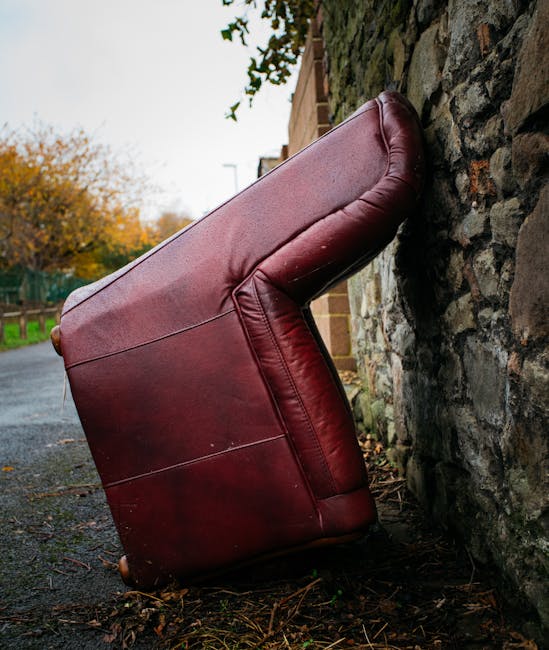
Shacklewell Lane sofa and mattress disposal options in Dalston: a practical local guide
If you live on or near Shacklewell Lane and need to get rid of an old sofa, a worn-out mattress, or both, the process can feel more awkward than it should. The items are bulky, often heavy, and rarely easy to move down tight stairs or through narrow hallways. Add in questions about recycling, collection timing, and whether your building has access restrictions, and the job can quickly become a nuisance.
This guide breaks down the main Shacklewell Lane sofa and mattress disposal options, Dalston residents usually consider. It explains how the process works, what to look for in a reliable service, how to avoid common mistakes, and when it makes sense to use a specialist clearance team. You will also find a comparison of disposal methods, compliance considerations, and a practical checklist to help you plan the job properly.
For readers who want a wider service context, it can also help to look at furniture disposal support in Dalston, or broader clearance options such as furniture clearance and house clearance when the sofa and mattress are just part of a larger job.
Table of Contents
- Why this matters in Dalston
- How sofa and mattress disposal works
- Key benefits and practical advantages
- Who this is for and when it makes sense
- Step-by-step guidance
- Expert tips for better results
- Common mistakes to avoid
- Tools, resources and recommendations
- Law, compliance, standards and best practice
- Options, methods and comparison table
- Case study or real-world example
- Practical checklist
- Conclusion
- Frequently asked questions
Why Shacklewell Lane sofa and mattress disposal options, Dalston Matters
At first glance, disposing of a sofa and mattress might seem like a straightforward one-off job. In reality, it often sits at the crossroads of convenience, safety, cost, and responsible disposal. A sofa that no longer fits a flat, or a mattress that has reached the end of its useful life, needs more than a quick lift to the kerb. You want it removed safely, lawfully, and in a way that does not create hassle for neighbours or building managers.
Shacklewell Lane and the surrounding Dalston streets include a mix of flats, conversions, shared entrances, and busy residential roads. That matters. Access can be tight, parking may be limited, and leaving bulky items outside for too long is rarely a good idea. In practical terms, the best disposal option is often the one that matches your access, your timescale, and whether the furniture can be reused or should be broken down and recycled.
It also matters because mattresses and upholstered furniture are not always easy to handle through standard household waste routes. Some councils offer bulky waste collections, but availability, booking lead times, and item limits can vary. Meanwhile, specialist clearance services can often remove items more quickly, especially if you are clearing multiple pieces at once.
If you are comparing options, it helps to think beyond the immediate lift-and-load. Ask: Will the item be reused? Can parts be recycled? Is the route compliant? And how much time do you want to spend managing it yourself? Those questions usually point you toward the right solution faster than price alone.
For a service overview that goes beyond single items, the broader home clearance service in Dalston can be a sensible next step when the sofa and mattress are part of a larger refresh or end-of-tenancy clear-out.
How Shacklewell Lane sofa and mattress disposal options, Dalston Works
The actual process depends on which route you choose, but most disposal methods follow a similar pattern: you identify the items, decide whether they can be reused or must be treated as waste, arrange transport or collection, and ensure they are taken to the proper destination.
Here is the general flow for a specialist collection:
- Assess the items. Check the sofa type, mattress size, condition, and access from your property.
- Request a quote. Reputable providers usually ask for a few photos, item details, and location notes.
- Confirm access and timing. This is especially important in Dalston flats where stairwells, permits, or lift use may affect the job.
- Collection day. The team removes the items, often from inside the property, so you do not need to drag them to the street.
- Sorting and disposal. Depending on condition, the items may be reused, separated for recycling, or taken to an approved waste facility.
DIY disposal works differently. If you have a suitable vehicle and enough help, you may take the sofa or mattress to a reuse or waste facility yourself. That can save money, but it usually requires more time, more lifting, and careful checks on what the site will accept. A mattress, for example, can be awkward to transport because it bends, catches on edges, and takes up far more room than people expect. Truth be told, even a short trip can become a logistical puzzle if the item is bulky and the vehicle is small.
Another common route is arranging a bulky waste collection through the local authority, if available for the item and your address. This can be convenient, but it may not suit urgent removals or properties with tricky access. If you are trying to clear a flat before a move, trade-up, or tenancy handback, speed can matter just as much as cost.
For items that are still usable, a reuse-first approach is worth considering. A good clearance provider will often separate items that can be passed on from those that need disposal. That is why choosing a service with strong recycling practices matters, not just one that can simply "take it away".
Key Benefits and Practical Advantages
Choosing the right sofa and mattress disposal route can make a bigger difference than you might expect. The obvious benefit is getting the space back, but there are several other practical advantages that are easy to overlook.
- Less physical strain: Heavy upholstered furniture is difficult to move safely, especially on stairs or in narrow hallways.
- Faster clearance: A booked collection can save you from days of waiting or multiple trips to a disposal site.
- Cleaner handover: If you are moving out or preparing a property, prompt removal helps present the place properly.
- Reduced compliance risk: Using a proper disposal route lowers the chance of fly-tipping or improper dumping.
- Better recycling outcomes: Upholstered furniture and mattresses can often be separated into materials streams where facilities allow.
- Less neighbour disruption: Professional removal usually keeps shared entrances and pavements clear for less time.
Another advantage is predictability. A sofa and mattress are not the sort of things you want to "sort out later". Once they are in the way, they tend to stay in the way. A planned collection gives you a fixed point in the diary and takes the issue off your mental to-do list.
For many residents, the biggest benefit is simply not having to wrestle with the job themselves. That may sound obvious, but it matters. Bulky disposal jobs often fail because people underestimate the size, weight, and awkward shape of the items involved.
If sustainability is important to you, it may also be worth reviewing the provider's approach to reuse and recycling through pages such as recycling and sustainability and the equivalent recycling and sustainability information from the wider service network.
Who This Is For and When It Makes Sense
This kind of disposal service is useful for a wide range of people, not just those clearing out after a move. In Dalston, the most common situations usually include:
- Tenants ending a tenancy: You need the flat cleared quickly and cleanly.
- Landlords or letting agents: Furniture left behind by previous occupants has to go before re-letting.
- Homeowners renovating: Old furniture needs to be removed before new items arrive.
- Students or sharers: Shared homes often accumulate spare mattresses or duplicate sofas over time.
- Families upgrading furniture: New deliveries frequently make old items an immediate problem.
- People dealing with damp, damage, or wear: A mattress that has been stained or a sofa that has broken frames is usually not worth keeping.
It also makes sense where access is difficult. If your building has no lift, limited parking, or a strict concierge process, moving a sofa yourself can take far longer than expected. In those cases, even a modest disposal job can become a half-day project. A professional collection often becomes the more efficient option simply because it removes friction.
One useful way to decide is to ask whether the item is a simple disposal or a logistics job. If it needs two people, a van, careful stair movement, and a waste destination, you are already in logistics territory.
For mixed loads or whole-room changes, the flat clearance service can be more suitable than arranging one item at a time.
Step-by-Step Guidance
If you want the cleanest possible process, work through the job in order. A little preparation up front usually saves time on the day.
1. Identify exactly what needs removing
List the sofa type, mattress size, and any related items such as a sofa bed frame, headboard, or broken base. A quick count helps when requesting a quote. It also avoids surprises on collection day, which everyone prefers to avoid.
2. Check access inside and outside the property
Measure tight corners, stair landings, and door widths if needed. Note whether the sofa has to be turned or dismantled. If parking is restricted on Shacklewell Lane or a nearby side street, mention that early so timing and loading can be planned properly.
3. Decide whether reuse is realistic
If the sofa is in good condition and the mattress is clean, it may be suitable for reuse or donation routes, depending on the organisation's acceptance criteria. If not, disposal and recycling are the right path. Avoid guessing; a quick photo-based assessment usually tells the story.
4. Compare collection methods
Check whether a local bulky waste option, a self-hire vehicle trip, or a specialist collection is the best fit. If you are already clearing cupboards, wardrobes, or other furniture, a broader service may be more cost-effective than separate arrangements.
5. Confirm what happens after collection
A trustworthy provider should be clear about disposal routes, recycling practices, and whether items are handled in line with best practice. If you are unsure, ask directly. Good operators expect that question.
6. Prepare the items for removal
Remove bedding, cushions, and any loose parts. If safe and practical, unplug and separate any sofa bed mechanism or detachable legs. Do not overdo dismantling unless you know what you are doing; a broken frame can create sharper edges and make handling harder.
7. Keep the route clear
On the day, move small objects out of the way and make sure shared access points are open if relevant. A cluttered hallway can turn a quick job into a slow one.
If you want support that is straightforward and scheduled, you can also explore pricing and quotes before booking, then use the contact page to confirm the details.
Expert Tips for Better Results
Small decisions make a big difference with bulky furniture disposal. In practice, the best outcomes usually come from careful preparation rather than last-minute effort.
- Take clear photos in daylight. This helps providers assess the condition and size without guesswork.
- Measure access, not just the furniture. Doorways and stairwells are often the real bottleneck.
- Book before delivery day if possible. If a new sofa or mattress is arriving, synchronising removal avoids overlap and clutter.
- Ask how mattresses are processed. Some services separate springs, foam, fabric, and wood where facilities allow.
- Keep paperwork and confirmation messages. That is useful for landlords, tenants, and anyone needing a clear record.
- Use one collection for several items. If you also have chairs, wardrobes, or broken frames, combining them can be more efficient.
One especially practical tip: if the sofa is a tight fit on the way out, assume it will be a tight fit on the way back through the hallway. Because, well, sofas have a very firm opinion about doorways.
For stronger service confidence, it is sensible to check operational and safety information such as health and safety policy details and insurance and safety information before you book.
Common Mistakes to Avoid
Most disposal problems are avoidable. The issue is not usually the sofa or the mattress themselves; it is the assumptions people make about them.
- Leaving booking too late: Waiting until the last day before a move or delivery often limits your options.
- Assuming all waste sites accept everything: Acceptance rules can vary, especially for mattresses and upholstered items.
- Ignoring access issues: A collection can be delayed if parking, stairs, or building entry were not mentioned.
- Forgetting to separate reusable items: If a sofa is in decent condition, it may have a better route than general waste.
- Not checking lifting safety: Mattress corners, worn springs, and broken sofa frames can be awkward and risky to handle.
- Using informal disposal routes: Leaving bulky waste where it does not belong can lead to complaints and extra hassle.
Another common issue is underestimating the amount of dust, debris, or hidden mess around old furniture. If the item has been sitting in storage, a loft, or a spare room for years, it may be worth protecting floors and clearing the route before collection.
For mixed household jobs, it is often smarter to look at a broader waste removal option rather than treating the sofa and mattress as isolated items.
Tools, Resources and Recommendations
You do not need specialist equipment for every disposal job, but a few basic tools can make the process easier and safer.
- Measuring tape: Useful for checking access, especially in flats and maisonettes.
- Camera phone: Helps with quotes and item assessment.
- Protective gloves: Handy if you are moving the item at all before collection.
- Furniture straps or sliders: These may help in some DIY cases, though they are not always necessary.
- Strong bags or boxes: Use these for bedding, cushions, or loose fittings.
- Booking notes: Write down collection instructions, access codes, and any restrictions.
Recommended resources depend on what you need removed:
- Use furniture disposal for individual bulky pieces.
- Choose furniture clearance when several items need attention.
- Choose flat clearance if the sofa and mattress are part of a full flat turnover.
- Review recycling and sustainability if environmental handling matters to you.
- Use pricing and quotes to understand cost before committing.
For those who prefer to understand the business behind the service, the about us page can provide useful background on the provider's approach and service style.
Law, Compliance, Standards and Best Practice
Bulky furniture disposal touches on waste handling, transport, and responsible transfer of items. While the exact rules may depend on the route you choose, a few best-practice principles are worth keeping in mind.
First, do not assume that dumping a sofa or mattress beside a bin is a harmless shortcut. In the UK, waste should be handled through lawful channels, and fly-tipping can create enforcement problems, environmental damage, and complaints from neighbours. If you are using a collection service, make sure it is operating responsibly and can explain where the waste goes.
Second, if you are a landlord, letting agent, or business managing premises, your duty of care is particularly important. Keep records where appropriate, and use providers who are clear about traceability and disposal methods. Pages such as terms and conditions and modern slavery statement may not be the first things people read, but they are useful indicators of a provider's operational seriousness.
Third, safety matters during removal. Upholstered furniture can be awkward to carry and mattresses can snag on stair rails or door frames. Good practice includes appropriate lifting techniques, careful route planning, and insurance cover where relevant. If you want to check a provider's operational standards, insurance and safety information and the health and safety policy are sensible places to look.
Finally, if you have accessibility needs, it is reasonable to ask how the service accommodates them. Clear communication, predictable arrival windows, and straightforward point-of-contact details all improve the experience. If the website itself needs to be easier to use, the accessibility statement is a helpful reference point.
Options, Methods and Comparison Table
The right disposal method depends on urgency, access, condition, and whether you are clearing one item or several. This table gives a practical comparison.
| Option | Best for | Main advantages | Potential drawbacks |
|---|---|---|---|
| Specialist collection | Busy households, flats, urgent removals | Fast, convenient, usually removed from inside the property | Often costs more than doing it yourself |
| DIY transport to a disposal site | People with a suitable vehicle and time | Can be cost-effective if you already have transport | Heavy lifting, travel time, site rules, loading challenges |
| Local authority bulky collection | Non-urgent single-item removal | Simple booking route where available | May involve waiting periods and item restrictions |
| Reuse or donation route | Good-condition furniture and clean mattresses where accepted | Extends item life and supports reuse | Acceptance can be strict and collection may not suit all items |
There is no single "best" option for everyone. If the sofa is bulky, the mattress is heavy, and the flat is on an upper floor with awkward access, a specialist service often wins on convenience alone. If you have a van and only need to move one light item, DIY may be perfectly reasonable. The sensible choice is the one that fits the real conditions, not the ideal version of the job in your head.
For many readers, the next logical comparison is with house clearance or home clearance if the disposal job has grown beyond one or two pieces.
Case Study or Real-World Example
Consider a typical Dalston flat on a side street off Shacklewell Lane. The resident needs to remove a three-seater sofa and a double mattress before new furniture is delivered the next day. The building has a narrow staircase, limited roadside stopping space, and a shared entrance used by several neighbours.
If the resident tries to handle it alone, the likely issues are obvious: the mattress is awkward in the stairwell, the sofa may need to be turned, and the van loading might take longer than expected. If the items are left in the hall for too long, they become a nuisance for everyone in the building.
A better plan is to arrange a specialist collection. The resident sends photos, confirms access details, and checks whether the provider can remove items from inside the flat. On collection day, the team arrives with the right lifting approach, removes the furniture quickly, and leaves the access route clear. The resident gains the room back, the delivery can go ahead, and the job is resolved in one visit.
That is the kind of scenario where a professional service makes a practical difference. It is not about making the task sound bigger than it is; it is about recognising where friction lives. Often, the hardest part is not the item itself but the path out of the property.
Practical Checklist
Use this checklist before booking or moving anything.
- Confirm whether you are disposing of one item or several.
- Take clear photos of the sofa and mattress.
- Measure doorways, stairs, and tight corners if access is limited.
- Check whether the item is reusable, recyclable, or waste-only.
- Decide whether speed, cost, or convenience matters most.
- Ask about collection from inside the property.
- Note parking restrictions, entry codes, or concierge rules.
- Remove bedding, cushions, and loose accessories.
- Keep hallways clear for safe removal.
- Save the booking confirmation and any disposal paperwork.
Expert summary: If your sofa and mattress are causing clutter, delaying a move, or complicating a tenancy handover, the best option is usually the one that combines safe handling, lawful disposal, and minimal disruption. For Dalston residents, that often means choosing a local collection service that understands access constraints and can move quickly when needed.
Conclusion
Shacklewell Lane sofa and mattress disposal does not need to be complicated, but it does need to be handled properly. The most suitable option depends on access, urgency, item condition, and whether you are dealing with one bulky piece or a wider clearance project. If you want the least stressful route, a specialist collection is often the most practical choice, especially in flats and properties with tricky access.
Think about the whole job, not just the furniture. That means considering how the item will leave the property, where it will go afterwards, and whether the process fits your schedule. A good disposal plan saves time, reduces stress, and keeps everything above board.
If you are ready to move forward, the simplest next step is to gather a couple of photos and request a clear quote. For broader support, you may also want to review pricing information, check the provider's contact details, or explore related services such as flat clearance and furniture disposal.
Get a free quote today and see how much you can save.
Frequently Asked Questions
What is the easiest way to dispose of a sofa and mattress in Dalston?
For most people, the easiest route is a specialist collection service that removes the items from inside the property and handles disposal properly. It avoids the strain of lifting, transport, and waste-site logistics.
Can I leave my sofa or mattress on the pavement for collection?
Not unless you have arranged a lawful collection and know the local rules. Leaving bulky waste out informally can lead to complaints, fines, or fly-tipping issues.
Are mattresses recycled in the UK?
Sometimes, yes. Mattress recycling depends on the service provider and the facility used. Good operators will separate components where possible, though not every mattress can be recycled in full.
How do I know whether my sofa can be reused?
Condition is the main factor. A sofa with a solid frame, clean upholstery, and no major damage may be suitable for reuse. If it is badly worn, damaged, or stained, disposal is usually more realistic.
What details should I give when asking for a quote?
Share the item type, size if known, condition, access details, floor level, parking restrictions, and any photos you can provide. That usually leads to a more accurate quote.
Is it cheaper to remove the furniture myself?
It can be, if you already have transport and help. But once you factor in time, fuel, lifting effort, and disposal fees, specialist collection can be better value for many households.
Do I need to dismantle the sofa before collection?
Usually not. In many cases the collection team can remove it whole. Only dismantle it if that is specifically advised and you are confident it is safe to do so.
What if I live in a flat with no lift?
That is common in Dalston, and it is exactly the kind of detail to mention when booking. A good provider will plan for stair access and let you know if any extra handling is needed.
Can I combine sofa and mattress disposal with other furniture?
Yes, and it is often more efficient to do so. If you have chairs, wardrobes, or extra items, a broader furniture clearance service may be the smarter option.
How quickly can bulky items usually be collected?
That depends on the provider and how busy they are. Some services can arrange fairly quick collections, especially if access is straightforward and the job is clearly described.
What should I look for in a trustworthy disposal service?
Look for clear pricing, sensible access questions, safety information, and a responsible approach to recycling or disposal. Pages such as insurance and safety and health and safety policy are useful indicators.
Where can I get more help with a larger clearance job?
If the sofa and mattress are just part of a bigger clear-out, explore home clearance, house clearance, or flat clearance for a more complete solution.