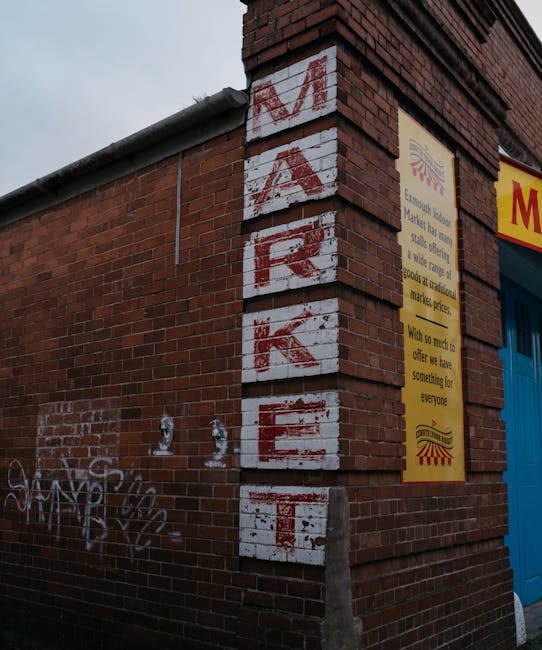
Fly-tipping outside Ridley Road Market: next steps
If you have spotted fly-tipping outside Ridley Road Market, you are probably dealing with more than an eyesore. It can block pavements, attract further dumping, create safety risks, and make a busy local stretch feel neglected very quickly. The good news? There are sensible next steps you can take right away, whether you are a trader, a nearby resident, a landlord, or simply someone who wants the mess cleared properly.
This guide walks through Fly-tipping outside Ridley Road Market: next steps in plain English. You will find out what to do first, what to avoid, how to document the problem, when removal is urgent, and how to choose a reliable clearance approach without turning a stressful situation into a bigger one. Let's face it, nobody wants to stand beside rotting rubbish on a wet London morning, trying to work out who should be called first.
We will also cover practical considerations like safety, compliance, waste handling, and how to get the area back to normal without cutting corners. If you need help beyond the advice here, you can also review our approach and background, check pricing and quotes, or use the contact page when you are ready to move quickly.
Truth be told, the fastest solution is usually the one that is organised, documented, and safe. Not dramatic. Just sensible.
Table of Contents
- Why Fly-tipping outside Ridley Road Market: next steps Matters
- How Fly-tipping outside Ridley Road Market: next steps Works
- Key Benefits and Practical Advantages
- Who This Is For and When It Makes Sense
- Step-by-Step Guidance
- Expert Tips for Better Results
- Common Mistakes to Avoid
- Tools, Resources and Recommendations
- Law, Compliance, Standards, or Best Practice
- Options, Methods, or Comparison Table
- Case Study or Real-World Example
- Practical Checklist
- Conclusion
- Frequently Asked Questions
Why Fly-tipping outside Ridley Road Market: next steps Matters
Fly-tipping is not just a cleanup issue. Outside a busy market like Ridley Road, it can affect footfall, trading conditions, public safety, and the general sense of order in the street. A mattress, broken shelving, black bags, or mixed waste left near a market entrance can narrow walking space fast, especially where delivery vehicles, shoppers, and stallholders are all trying to move at the same time.
That is why the next steps matter. If you act early, you reduce the chance of the waste spreading, being broken open, or attracting more dumping. In busy areas, one pile often becomes two. It sounds almost ridiculous, but people copy what they see. Once rubbish starts sitting there, others assume the spot is already "used".
There is also a reputational angle. For traders, residents, and property managers, the way a fly-tipping incident is handled says a lot. Slow action can make the problem feel normal. Fast, tidy action does the opposite. It restores confidence.
And there is the practical side too: contaminated waste can smell, leak, or create slip hazards. If items include glass, metal edges, sharps, or wet packaging, there is a real risk of injury. So the question is not only "who dumped it?" The better question is, "what is the safest and quickest way to deal with it now?"
Expert summary: The best response to fly-tipping near Ridley Road Market is usually a combination of recording the issue, making the area safe, arranging responsible clearance, and following up so it does not return. Speed matters, but so does doing it properly.
How Fly-tipping outside Ridley Road Market: next steps Works
At a basic level, the process is straightforward. Someone leaves waste where it should not be left. The waste then needs to be assessed, identified if possible, and removed in a way that does not create additional risk or legal headaches. The challenge is that street dumping is rarely neat. It is often mixed waste, which means a few different types of material all tangled together.
Outside a market, there can be extra layers. Waste may be left near loading areas, beside shutters, behind stalls, or around a corner where it is less visible at first. A quick glance may not tell you whether the material is household rubbish, trade waste, or a mix of both. That matters because different waste types need different handling.
In practical terms, the process usually follows a few stages:
- Check the site safely and avoid touching unknown waste straight away.
- Document the scene with clear notes and photos if you are responsible for reporting or arranging removal.
- Identify immediate hazards such as broken glass, liquids, blocked access, or items that could fall.
- Arrange appropriate clearance using a responsible, licensed approach where needed.
- Confirm the area is clean and usable once the waste has been removed.
What complicates things is that people often assume all rubbish can be shifted the same way. It cannot. A few bags outside a shopfront are one thing; a pile containing wood, food waste, packaging, or electrical items is another. The right next step depends on what is actually there.
If you are managing a business or property nearby, it is also worth thinking about record-keeping. A small note of what was found, when it was reported, and who handled removal can save a headache later. It is not glamorous, but then, neither is a half-crushed sofa on the pavement at eight in the morning.
Key Benefits and Practical Advantages
Taking the right next steps gives you more than a clear pavement. It protects people, reduces disruption, and helps you avoid the messy cycle where the same place keeps getting dumped on.
- Improved safety: fewer trip hazards, less broken glass, and reduced contact with unknown waste.
- Better public image: the area looks cared for, which matters a lot in a market setting.
- Less disruption to trade: stallholders and nearby businesses can work without navigating around debris.
- Faster return to normal use: access routes, entrances, and loading areas can reopen sooner.
- Lower chance of repeat dumping: a cleared and monitored area is less likely to be seen as a "safe spot" for waste.
- More reliable compliance: handling waste properly helps reduce avoidable issues with duty of care and disposal.
There is another advantage people sometimes miss: clarity. When everyone knows what happened, what was done, and who is responsible for what, the situation becomes easier to manage. That is especially useful if multiple parties share a frontage or use the same service area.
If you are comparing professional clearance options, it helps to look at more than just the headline price. Check how quotes are structured and whether waste handling is explained clearly. You can also review recycling and sustainability commitments if responsible disposal matters to your decision. It should.
Who This Is For and When It Makes Sense
This guidance is relevant to a fairly broad group, and that is part of the point. Fly-tipping outside a market is rarely just one person's problem.
- Market traders who need their pitch or frontage kept open and presentable.
- Local residents who have seen waste dumped near their building or on the same stretch repeatedly.
- Landlords and managing agents responsible for shared access, service yards, or nearby commercial units.
- Shop owners and cafe operators whose trade depends on a clean, welcoming street.
- Facilities teams tasked with reporting and arranging clean-up quickly.
- Anyone passing by who wants to report the issue safely and accurately.
It makes sense to act when the waste is obstructing access, looks like it could spread, or has been sitting there long enough to attract more rubbish. It also makes sense if the pile contains anything hazardous, sharp, or heavy. A single broken fridge or a stack of loose rubble can turn into a very awkward job very quickly.
Sometimes people hesitate because they assume it will sort itself out. Usually it does not. In our experience, a "we'll see if someone else deals with it" approach tends to leave you looking at the same bags three days later, only wetter. Nobody needs that.
Step-by-Step Guidance
Here is a practical way to handle the situation without making it harder than it needs to be.
1. Stay safe and assess from a distance
Do not dive in and start lifting bags or broken items without checking what is there. Look for glass, needles, liquids, rotting food, and anything that could shift or collapse. If the waste seems unstable or contaminated, keep clear.
2. Take clear photos and notes
Photograph the pile from a few angles. If possible, include a wider shot showing where it sits in relation to the street, entrance, or market frontage. Note the time, date, and visible contents. This helps if you need to report the issue or request removal.
3. Identify whether the waste is blocking access
If the pile is narrowing a footpath, affecting a fire route, blocking a doorway, or interfering with deliveries, treat it as more urgent. A small-looking heap can still create a serious bottleneck, especially on a busy market street.
4. Separate obvious hazards from general waste
If you are qualified and it is safe to do so, identify items that need special handling, such as electrical goods, broken furniture, or waste contaminated by liquids. If not, leave segregation to the clearance team. There is no prize for making an unsafe grab at the wrong bag.
5. Arrange the right clearance response
For simple waste, a standard collection may be enough. For mixed or bulky waste, you may need a more careful clearance process. If speed matters, ask how quickly the team can attend and whether they can remove a variety of waste types in one visit. If you are planning a wider tidy-up, it can help to check pricing and quotes information before you proceed.
6. Confirm responsible disposal
Ask how the waste will be handled after collection. You want a process that supports legal and responsible disposal, not a vague "we'll sort it out" answer. That kind of vagueness tends to be expensive later, one way or another.
7. Follow up if the issue may recur
If dumping keeps happening in the same spot, add deterrence and routine checks. That might include better lighting, locked bins, clearer access controls, or more frequent collections. In a market environment, a little prevention goes a long way.
Expert Tips for Better Results
A few small decisions make a big difference when dealing with fly-tipping outside a busy market.
First, act before the pile spreads. If one bag has already split open, more waste can follow fast. Wind, rain, and foot traffic all make things worse. A damp cardboard box on a London pavement has a way of turning into a soggy mess before lunch.
Second, keep access in mind. Clearance is not only about removing the waste. It is about making sure stallholders, shoppers, delivery drivers, and pedestrians can move freely afterwards.
Third, be specific when you ask for help. Describe the waste honestly. Mixed waste, bulky items, and sharp materials all affect how the job should be handled. The more accurate your description, the less likely you are to get a mismatch between expectation and reality.
Fourth, look for prevention, not just removal. If the same type of dumping keeps returning, there may be a pattern: an unmanned corner, a poorly placed bin, or a loading area that is easy to exploit. Sometimes the fix is boring. Often boring is exactly what works.
Fifth, keep a short incident log. Dates, photos, who was contacted, and what was removed. It sounds administrative, but it becomes useful if the site has repeated issues or shared responsibility.
You may also want to review the company's health and safety approach and insurance and safety information before choosing a contractor. Those pages should give reassurance that the work is being handled properly and with care.
Common Mistakes to Avoid
Most fly-tipping problems become more frustrating because of avoidable mistakes, not because the waste itself is unusually complex.
- Touching unknown waste too early: you may expose yourself to sharps, contamination, or hidden hazards.
- Assuming someone else has already reported it: that assumption can leave a mess sitting there all day.
- Giving vague descriptions: "a lot of rubbish" is less helpful than "three black bags, one mattress, and loose cardboard."
- Mixing safe removal with unsafe lifting: if a pile is heavy or unstable, do not improvise.
- Ignoring repeated dumping: recurring incidents usually need a prevention plan, not just repeat clean-ups.
- Choosing on price alone: the cheapest option can be a false economy if disposal, timing, or compliance is weak.
- Forgetting the surrounding area: waste may have spilled under parked vehicles, behind planters, or into loading spaces.
The biggest mistake? Waiting until it becomes everyone's problem. By then it has usually got smellier, messier, and harder to ignore. Not ideal, obviously.
Tools, Resources and Recommendations
You do not need a giant toolkit, but a few basics help you manage the situation more effectively.
| Tool or resource | Why it helps | Best use |
|---|---|---|
| Phone camera | Records the waste clearly | Before and after photos, incident evidence |
| Notebook or incident log | Keeps a simple timeline | Reporting, repeat problems, internal records |
| Gloves and basic PPE | Reduces contact risk | Only if you are safely handling low-risk items |
| Measuring estimate | Helps with quoting and planning | Describing volume, access, and bulky items |
| Clear access route | Speeds removal and lowers risk | For collection vehicles, loading, and safe movement |
If you are arranging professional help, useful things to ask about include access requirements, estimated loading time, what waste categories are accepted, and whether the team can provide documentation if needed. That last part is easy to overlook and then suddenly becomes very important.
For service standards and trust signals, a few supporting pages are worth reviewing too. Terms and conditions help clarify what is and is not included, while payment and security information is helpful if you are coordinating a paid collection for a business or building. If you need to understand how enquiries are handled, the privacy policy can also be reassuring.
Law, Compliance, Standards, or Best Practice
When dealing with fly-tipping, it is wise to stay on the right side of general UK waste handling expectations. This is especially important if you are a business, landlord, or agent arranging removal on behalf of others. The key point is simple: waste should be handled responsibly, and you should be able to show that reasonable care was taken.
In practice, that means avoiding informal arrangements that cannot be explained later. A "someone will come and take it away" approach is not enough if the waste is commercial, bulky, mixed, or potentially hazardous. The person or business arranging removal should understand what is being collected, how it will be moved, and where it is headed afterwards.
Best practice also means not blending public-safety action with guesswork. If you are unsure whether something is hazardous, leave it to trained handlers. If there is an issue with access, traffic, or shared frontage, coordinate the clearance so people are not stepping around the pile while it is being lifted.
For businesses, compliance is also about reputation. A clean-up that is done hurriedly but badly can leave behind scrap, sharp material, or stray debris. That is the sort of detail people notice. The pavement should look properly finished, not merely "moved elsewhere".
If you want a clearer view of the company's working standards, it can help to look at recycling and sustainability practices and the published modern slavery statement. Those pages are not about the fly-tipping itself, but they do help show how the business approaches responsible operations more broadly. That matters more than some people think.
Options, Methods, or Comparison Table
There are usually a few ways to deal with fly-tipping near Ridley Road Market. The right one depends on urgency, waste type, access, and who is responsible for the site.
| Method | Best for | Pros | Limits |
|---|---|---|---|
| Immediate reporting and monitoring | When the pile is small or responsibility is being clarified | Low cost, useful for documentation | Does not remove the waste by itself |
| DIY removal by authorised site staff | Very low-risk items on private land | Fast if done safely | Not suitable for unknown, heavy, or mixed waste |
| Professional clearance | Bulky, mixed, or urgent waste | Safer, faster, more complete | Usually involves a fee |
| Repeat prevention measures | Recurring dumping hotspots | Reduces future incidents | Needs follow-through, not a one-off fix |
To be fair, there is no perfect option in every case. If the waste is just a couple of bags, the answer may be simple. If it includes a sofa, broken fittings, and loose rubbish spread across the kerb, the answer becomes a lot more obvious: get it handled properly and safely.
When cost is part of the decision, compare the whole picture, not just the collection price. A cheap quote that excludes access, sorting, or disposal details can end up costing more in time and stress. And stress is already part of the package, isn't it?
Case Study or Real-World Example
Picture a typical weekday morning outside Ridley Road Market. Stallholders are setting up, deliveries are squeezing through, and there is already a steady flow of pedestrians. Then someone notices a dumped pile beside a loading area: several black bags, flattened cardboard, and a broken chair pushed half against the kerb.
At first glance it looks manageable. But by mid-morning the bags have split, a bit of packaging has blown into the walking route, and someone has had to step around the chair while carrying stock. Nothing dramatic, but enough to slow the whole frontage down. This is where a good response matters.
The practical next steps would be:
- Photograph the site and note where the pile sits.
- Check for sharp edges, liquids, or anything hazardous.
- Confirm whether the waste is blocking a route or delivery point.
- Arrange clearance quickly rather than waiting for the end of the day.
- After removal, inspect the area for loose fragments and repeat dumping signs.
In a real street setting, that sequence helps stop a small problem turning into a full disruption. The area looks better, the access route is restored, and traders can get on with the day. Simple. Not easy, maybe, but simple.
Practical Checklist
Use this checklist if you need a quick, sensible response.
- Take clear photos from more than one angle.
- Note the date, time, and exact location.
- Check for broken glass, liquids, or other hazards.
- Keep pedestrians and staff away from unstable waste.
- Describe the waste accurately before arranging removal.
- Ask whether the collection method suits bulky or mixed items.
- Confirm the area will be left clean and safe after removal.
- Keep a brief incident record for future reference.
- Review whether the spot needs better prevention measures.
- Follow up if dumping happens again in the same place.
Quick tip: If the waste looks ordinary but the contents are unclear, treat it as potentially more complex than it first appears. That small bit of caution can save a lot of hassle.
Conclusion
Fly-tipping outside Ridley Road Market is frustrating, but it is manageable when you take the right next steps. Start by making the area safe, document what you see, avoid unnecessary contact with the waste, and arrange removal in a way that is responsible and proportionate to the situation. If the problem keeps returning, shift from one-off clean-up to prevention. That is where the real progress usually happens.
For businesses, landlords, and local property teams, the best outcome is not just a cleared pavement. It is a cleaner frontage, fewer repeat incidents, and a process you can rely on next time. And there may well be a next time, because busy market streets tend to attract the same kinds of problems again if no one tackles the pattern.
If you are ready to take action, a quick enquiry is often the easiest way to move from "we should deal with that" to "it's sorted."
Get a free quote today and see how much you can save.
If you would like to continue, you can use the contact page to discuss your needs in more detail. A calm, clear plan now can save a lot of bother later, and that's worth doing properly.
Frequently Asked Questions
What should I do first if I see fly-tipping outside Ridley Road Market?
Start by checking the area from a safe distance, then take photos and note the time and location. If the waste is blocking access or looks hazardous, avoid touching it and arrange a proper response as soon as possible.
Can I remove fly-tipped waste myself?
Only if it is safe, lawful, and clearly low-risk. Unknown, heavy, sharp, contaminated, or mixed waste should be handled by suitable professionals. It is easy to underestimate how awkward a pile can be once you get close.
How do I know whether the waste is hazardous?
If you see broken glass, liquids, electrical items, needles, chemical containers, or material that smells strong or looks contaminated, treat it as potentially hazardous. When in doubt, do not handle it directly.
Who is responsible for clearing fly-tipped waste?
Responsibility can depend on where the waste is found and who controls the land or frontage. If you are a trader, landlord, or managing agent, it is worth clarifying the position quickly rather than guessing.
How fast should fly-tipping near a market be dealt with?
As quickly as possible, especially if the pile affects footfall, loading access, or public safety. Busy market areas can become congested fast, so delay usually makes the problem worse.
What details should I include when reporting the issue?
Include the exact location, a description of the waste, whether it blocks access, and clear photos if available. Short, accurate notes are usually more useful than a long, vague description.
Is fly-tipping the same as business waste being left outside?
Not always. Fly-tipping usually refers to illegal dumping, while business waste that is left out improperly may involve separate waste handling issues. The practical response is still to get it assessed and removed properly.
How much does professional clearance usually cost?
Costs vary depending on the amount of waste, access, urgency, and whether items need sorting or special handling. A clear quote is usually the best way to understand the likely cost for your situation.
What if fly-tipping keeps happening in the same spot?
Repeated dumping usually means the location needs prevention measures as well as clean-up. Consider lighting, access control, clearer waste storage, or more frequent checks. Otherwise the same problem tends to come back, annoyingly.
Should I keep records of the incident?
Yes. Photos, dates, notes, and any communication about the waste can be useful if the issue repeats or if you need to show what action was taken.
Can a clearance team help with mixed rubbish and bulky items?
Often, yes, provided they are told exactly what is on site. Mixed waste, bulky items, and awkward access all affect the way a collection should be planned.
Where can I find more information about service standards and policies?
You can review pages such as health and safety policy, insurance and safety, and complaints procedure to understand how the wider service is set up. It is a sensible habit before booking anything important.