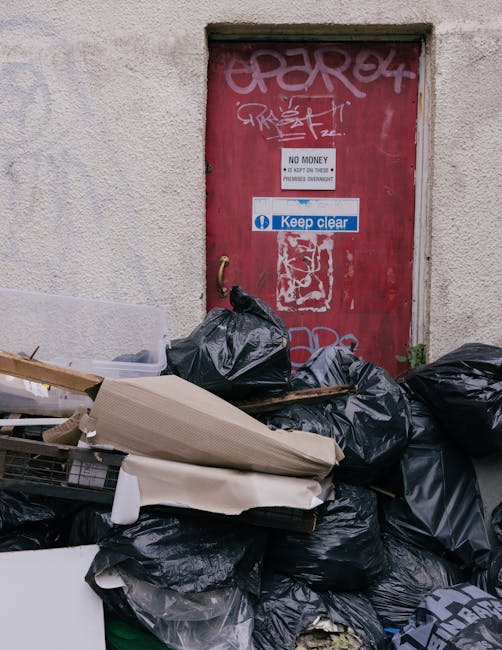
Eastern Curve Garden rubbish removal Dalston insider tips: a practical local guide
If you are dealing with Eastern Curve Garden rubbish removal Dalston insider tips, you are probably not looking for theory. You want to know what actually helps on the day: how to plan the clearance, what can slow it down, what to separate beforehand, and how to avoid the usual last-minute faff. That is fair enough. A garden clearance in a place like Dalston can be straightforward, but only if you think through access, sorting, timing, and the type of waste before anyone starts lifting bags.
This guide walks through the real-world side of garden rubbish removal near Eastern Curve Garden, with useful local-style advice, practical checks, and a few lessons that tend to be learned the hard way. If you are arranging a bigger tidy-up, pairing the job with garden clearance or broader waste removal can save a surprising amount of time.
There is no mystery to it, really. The trick is doing the boring bits well.
Table of Contents
- Why Eastern Curve Garden rubbish removal Dalston insider tips matters
- How Eastern Curve Garden rubbish removal Dalston insider tips works
- Key benefits and practical advantages
- Who this is for and when it makes sense
- Step-by-step guidance
- Expert tips for better results
- Common mistakes to avoid
- Tools, resources and recommendations
- Law, compliance, standards, or best practice
- Options, methods, or comparison table
- Case study or real-world example
- Practical checklist
- Conclusion
- Frequently asked questions
Why Eastern Curve Garden rubbish removal Dalston insider tips Matters
Eastern Curve Garden sits in a part of Dalston where space is precious, footfall can be busy, and access is not always generous. That means rubbish removal is not just about "getting rid of stuff"; it is about doing it cleanly, politely, and without creating extra hassle for the people using the area. If you have ever tried to move a pile of soil, broken planters, or old timber when the path is narrow and everyone is trying to get past, you will know the feeling.
Insider tips matter because small mistakes compound quickly. A few unbagged trimmings become several awkward loads. A skipped sweep can leave grit and thorns behind. Wet green waste can smell by the next day, especially if it has been sitting in black sacks in mild weather. And if you mix rubbish types together, the whole job becomes slower and less tidy than it needs to be.
There is also a trust element. People around communal gardens, small venues, and local green spaces tend to notice whether a clearance has been handled carefully. A neat finish shows respect. It sounds simple, but it goes a long way.
Expert takeaway: the best rubbish removal jobs around garden spaces are usually the quietest ones. The crew arrives prepared, the waste is sorted sensibly, access is clear, and the area is left looking like no drama ever happened.
How Eastern Curve Garden rubbish removal Dalston insider tips Works
In practice, garden rubbish removal near Eastern Curve Garden usually follows a simple pattern: identify the waste, separate the load, plan the access route, move the material safely, and finish with a proper clean-down. The job feels easy when those steps are done in the right order. It feels awkward when they are not.
A good clearance starts before the vehicle turns up. You want to know whether you are dealing with green waste only, mixed garden debris, bulky items, or a combination. Green waste might include grass cuttings, hedge trimmings, weeds, and small branches. Mixed waste can include pots, plant supports, broken furniture, fencing offcuts, plastic edging, old bags, and bits of timber. If builders' rubble has also ended up in the pile, that is a different conversation altogether, and sometimes a sign that a builders waste clearance approach may be more suitable for part of the load.
The removal process itself should be direct but careful. Bags need to be manageable. Sharp edges should be handled properly. Heavy items should not be dragged across paving if that can be avoided. And if the job involves a shared entrance or a path used by the public, timing matters more than people think. Early starts can be helpful, but not if they create noise or block movement at a bad time.
Sometimes the best tip is simply to split the job into sections: green waste first, bulky waste second, and a final sweep last. Clean, tidy, done.
Key Benefits and Practical Advantages
There are a few obvious benefits to handling rubbish removal properly around Eastern Curve Garden, and a few less obvious ones too.
- Better access and fewer delays: when waste is pre-sorted and stacked sensibly, removal is quicker and less stressful.
- Cleaner surroundings: garden spaces look much better when the debris is collected rather than left in loose piles.
- Less chance of damage: careful lifting and carrying protects paving, edging, walls, doors, and planting beds.
- Reduced smell and mess: green waste can go off quickly, so removing it promptly keeps the area fresher.
- Safer working conditions: fewer trip hazards, fewer sharp objects, and fewer surprises under the heap.
- More efficient recycling: separating materials can make it easier to channel suitable waste into responsible recycling streams.
There is a softer benefit too. A well-managed clearance tends to calm everyone down. It gives the sense that the job is under control, which is often half the battle. You know what I mean if you have ever looked at a half-cleared corner of a garden and thought, "right, that needs sorting before anything else happens."
If you are thinking beyond a single garden clearance, it can also be useful to look at how waste is handled more broadly through recycling and sustainability. Even a modest job can be done better if the useful material is separated from the truly disposable stuff.
Who This Is For and When It Makes Sense
This kind of rubbish removal is useful for more people than you might expect. It is not just for one-off big clear-outs. In Dalston, the need often comes from everyday maintenance, seasonal tidying, and small project work that has slightly outgrown the usual bin bags.
It makes sense if you are:
- tidying up after pruning, cutting back, or general garden maintenance
- clearing a courtyard, shared garden, or entrance space near Eastern Curve Garden
- removing broken planters, old pots, timber offcuts, or garden furniture
- preparing a property for letting, sale, or a new tenant
- dealing with waste after a small landscaping refresh
- handling mixed rubbish that is too bulky for normal household disposal
- trying to get a space back into a usable condition quickly
It also makes sense if the job is not technically large, but it is awkward. That is a subtle difference. One sack of wet soil can be more annoying to manage than five dry bags of lightweight rubbish, especially if there are stairs, narrow gates, or no easy parking nearby. Dalston has plenty of spots like that. Practical, a bit tight, and unforgiving if you misjudge the load.
Step-by-Step Guidance
If you want the job to go smoothly, follow a simple sequence. It does not need to be complicated.
- Walk the site first. Check what needs removing and note anything awkward, like sharp waste, heavy items, or restricted access.
- Sort the material. Keep green waste separate from bulky items where possible. Set aside anything reusable or potentially recyclable.
- Bag or bundle the easy stuff. Loose debris is slower to move and messier to carry. A few minutes of prep helps a lot.
- Create a clear path. Move bikes, tools, hoses, crates, and anything else likely to trip someone up.
- Protect the route. If you have delicate paving or freshly planted areas, think about how the waste will be carried out without scraping edges.
- Remove the heaviest items first. That usually makes the rest feel easier and prevents a cluttered final stretch.
- Do a proper sweep. Check corners, under benches, along borders, and around bins or storage points. Little bits hide everywhere.
- Finish with a quick visual check. Stand back. If it looks tidy from the doorway or path, you are probably in good shape.
One small but useful habit: keep one "unknowns" pile aside. That is the stuff you are not sure about yet, like rusty fixings, tangled wire, or odd mixed debris. It is amazing how often that prevents mistakes later on.
Expert Tips for Better Results
Here is where the job gets easier than most people expect. A few practical habits can make a proper difference.
1. Load by weight, not just by appearance
Garden waste can be deceptive. A bag full of compacted soil or sod is much heavier than it looks. Put the dense stuff where it is easiest to lift safely, and avoid overfilling bags just because they still "seem manageable". They often are not. Let's face it, nobody enjoys carrying a bag that feels fine for two steps and then suddenly behaves like wet concrete.
2. Remove damp waste sooner rather than later
Damp green waste and old compost can become unpleasant fast. If you can clear it the same day or soon after cutting back, the whole site feels fresher and easier to work on. Morning humidity and evening stillness tend to make smells linger more than people realise.
3. Keep sharp and thorny waste visible
Rose cuttings, broken canes, rusty edges, and wire should not disappear into loose sacks where nobody can see them. Label them mentally or physically, and handle them with care.
4. Think about neighbours and passers-by
In a busy part of Dalston, the best crews do not make a scene. They keep noise down where they can, move steadily, and avoid leaving items in shared circulation space for too long. It sounds obvious, but it is often the difference between a smooth job and a mildly grumpy afternoon.
5. Pair the clearance with a bigger tidy-up only if it genuinely helps
If you are also dealing with stored items, broken chairs, or household overflow, it may be worth combining the job with home clearance or furniture disposal. That said, do not mix categories just for the sake of it. Sometimes smaller, cleaner loads are easier to manage.
Common Mistakes to Avoid
Most problems with garden rubbish removal are preventable. The awkward bit is that people usually only spot them once the pile is already halfway to the gate.
- Leaving sorting until the last minute: once everything is stacked together, the waste becomes harder to assess.
- Overloading bags: heavy sacks tear, strain backs, and slow everything down.
- Ignoring access issues: gates, steps, parked cars, and tight paths all matter more than people expect.
- Forgetting about hidden hazards: nails, broken glass, and sharp metal can be tucked into harmless-looking piles.
- Assuming all garden waste is the same: green waste, soil, timber, and mixed junk often need different handling.
- Not checking the finish: a job that looks "done" but leaves behind twigs, grit, and dust is only half done.
One slightly frustrating mistake is the "we'll just put it there for now" approach. That temporary pile has a habit of becoming permanent. Strange, that.
Tools, Resources and Recommendations
You do not need a giant toolkit, but a few simple things help the job stay controlled.
- Heavy-duty bags: useful for leaves, trimmings, and light mixed waste.
- Gloves with grip: particularly important for thorny or damp material.
- Wheelbarrow or sack trolley: ideal if the route to the vehicle is longer than a few metres.
- Rake and broom: for collecting small fragments and finishing the area properly.
- Securing ties or straps: handy for bundled branches or awkward lengths of timber.
- Tarpaulin or ground sheet: helpful when gathering waste into a single, tidy staging point.
If the job is part of a wider property tidy, you may also find it useful to compare garage clearance, loft clearance, or flat clearance options. Different spaces create different problems, and the right method usually depends on access, volume, and how mixed the contents are.
Practical recommendation: if you are unsure whether an item counts as garden waste or general rubbish, set it aside and ask before the removal day. That small pause can prevent a lot of sorting later.
Law, Compliance, Standards, or Best Practice
For rubbish removal in the UK, the key point is simple: waste should be handled responsibly, and the person arranging disposal should take care not to pass waste to an unfit operator. You do not need to become a legal expert to do the job properly, but you should expect clear handling, sensible sorting, and proper disposal routes.
In practical terms, best practice usually means:
- keeping different waste types separate where possible
- avoiding fly-tipping or informal dumping arrangements
- making sure waste is moved safely, without creating hazards for others
- checking that bulky or mixed waste is dealt with in a traceable, responsible way
- being careful with anything sharp, heavy, dusty, or potentially hazardous
If the clearance includes business premises, shared access, or repeat collections, then the expectations are usually a bit stricter. A tidy, documented approach matters. In those cases, it can be sensible to look at business waste removal alongside the immediate garden clearance, especially if the site is being kept presentable for customers or staff.
Insurance and safety are worth checking too. Anyone carrying waste through narrow or shared areas should be working in a way that reduces risk. If you want to understand the company's general safety approach, the pages on insurance and safety and health and safety policy are useful places to start.
Options, Methods, or Comparison Table
Different clear-out methods suit different situations. Here is a simple comparison to help you decide what makes sense for an Eastern Curve Garden-style clearance.
| Method | Best for | Pros | Watch-outs |
|---|---|---|---|
| DIY bag-and-trip disposal | Very small amounts of light waste | Low immediate cost, simple for tiny jobs | Time-consuming, tiring, awkward for mixed or heavy loads |
| Self-managed staged clearance | Moderate piles with decent access | Flexible, good if you can sort waste slowly | Needs planning, storage space, and a lot of lifting |
| Professional garden clearance | Mixed waste, bulky debris, tight access, quick turnaround | Fast, tidy, less stress, better for awkward loads | Needs a clear brief and sensible site prep |
For most Dalston garden jobs that involve more than a few bin bags, professional clearance is the cleanest route. DIY sounds fine until you are three trips in, wondering where the second pile came from.
Case Study or Real-World Example
Here is a realistic sort of scenario. A small shared garden near Eastern Curve Garden has been used heavily over a few months. There are hedge trimmings, a few broken plant pots, old cardboard planters, some folded furniture, and a damp heap of mixed green waste tucked near a fence. Nothing dramatic. Just enough to be annoying.
The first thing that helps is a short pre-clearance walk-through. The waste gets split into three groups: green material, recyclable-looking rigid items, and bulky mixed rubbish. Anything sharp is set aside safely. The route from the garden gate to the collection point is cleared, because there is no point carrying bags through a maze of clutter and garden tools.
Once the load is organised, the crew can move quickly. The green waste goes first, then the bulky bits, then the fine debris. A final sweep catches twigs, shredded leaves, and the odd screw near the edge of the path. By the end, the space is not just empty; it is usable again. That is the real outcome people want.
The lesson here is pretty simple: a good clearance is less about force and more about sequence. The boring ordering of things is what saves time.
Practical Checklist
Use this before the rubbish removal starts.
- Identify all waste types on site
- Separate green waste from bulky mixed rubbish
- Set aside sharp, heavy, or awkward items
- Check access through gates, paths, and shared areas
- Clear a safe route for moving waste
- Bag light material and bundle branches where practical
- Protect delicate paving or planted areas
- Confirm whether any items need specialist handling
- Prepare a final sweep and clean-down plan
- Make sure the finishing point is tidy and unobstructed
If you are planning around broader property work, it may also help to review pricing and quotes so you can decide whether to bundle the job with other clearance tasks or keep it separate. Sometimes the simplest option is the smartest one.
Conclusion
Eastern Curve Garden rubbish removal in Dalston is easiest when you treat it as a small logistics job, not just a load of rubbish. Sort early, move carefully, respect access, and finish properly. That is the formula, really. The "insider tips" are mostly common sense with a local edge: plan for tight spaces, keep the route clean, and do not underestimate damp green waste or mixed debris.
Whether you are clearing a few bags after maintenance or dealing with a much bigger tidy-up, the best result is always the same: a space that looks calm again, feels usable again, and does not need a second visit because something was missed the first time.
Get a free quote today and see how much you can save.
If you want to know more about the team behind the service, take a look at about us. If you are ready to arrange the next step, you can also use the contact page to get started. And if you prefer to understand how the business handles your information and payments before proceeding, the pages on privacy policy and payment and security are there for a reason.
Frequently Asked Questions
What counts as rubbish removal near Eastern Curve Garden?
It usually includes general waste, garden waste, broken outdoor items, bulky clutter, and mixed debris that needs collecting and disposing of properly. The exact mix matters because green waste, timber, and mixed rubbish are not always handled the same way.
Do I need to sort the waste before collection?
It helps a lot, yes. You do not need to create museum-level order, but separating green waste from bulky rubbish makes the job faster and more efficient. It also reduces the chance of awkward re-sorting on the day.
Can wet garden waste be removed?
Yes, but it is often heavier and messier than dry waste. If possible, bag or move it sooner rather than later. Wet cuttings and soil can become unpleasant if they sit around too long.
How do I know if something is garden waste or general rubbish?
Garden waste is usually organic material such as grass, leaves, branches, and soil. General rubbish tends to include plastic, broken household items, packaging, furniture, and mixed clutter. If you are unsure, set the item aside and clarify it before collection.
Is it better to clear everything in one go?
Not always. If access is tight or the waste is mixed, splitting the job into sections can be easier. Green waste first, bulky waste second, and a final sweep last is often the neatest way to do it.
What should I do with sharp items in the pile?
Keep them visible and separate them carefully. Broken glass, nails, wire, and jagged metal should not be buried in loose bags. That is how small accidents happen for no good reason.
Can rubbish removal help if I am preparing a property to let?
Absolutely. A clean garden or outdoor area makes a strong first impression and makes the whole property feel more cared for. If the rest of the home needs attention too, house clearance can be useful alongside garden work.
How long does a typical clearance take?
That depends on access, volume, and how mixed the waste is. A small, well-prepared garden tidy can be fairly quick, while a cluttered or awkward space takes longer. The better the prep, the faster the finish.
What if I have old garden furniture as well?
That is common enough. Old chairs, tables, benches, and broken storage items can often be removed alongside the garden rubbish, but they may need to be grouped separately from green waste. If the items are mainly furniture, furniture clearance may be the more natural fit.
Is there a best time of day for removal in a busy Dalston area?
Usually the best time is when access is easiest and disruption is lowest. Early or mid-morning often works well, but local conditions matter. Try to avoid times when foot traffic, deliveries, or shared use will get in the way.
What is the most common mistake people make?
They underestimate the access route. The waste itself might be manageable, but if the path is narrow, the load is awkward, or the pile is badly placed, the whole job becomes slower than expected. A quick walk-through before the removal saves a lot of trouble.
How do I get started if I want professional help?
Start by listing the waste types, the approximate amount, and any access issues. Then ask for a clear quote and mention anything unusual, like soil, sharp debris, bulky items, or a shared access route. A good brief leads to a better result, simple as that.